


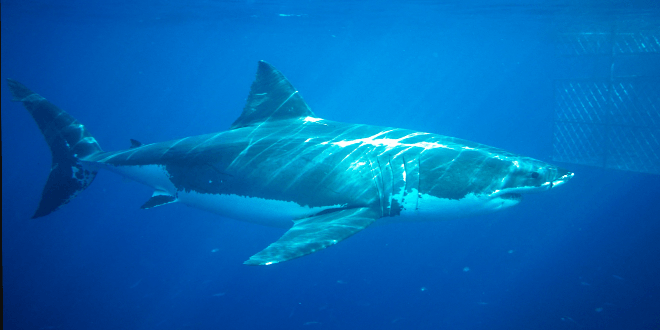
A world first study CSIRO study found Western Australia's south west is the country's great white shark capital.
It's estimated around 1,400 adult great white sharks are in waters that stretch from Geraldton to western Victoria.
There are two white shark populations in Australia, an eastern population between Victoria to central Queensland and across to New Zealand and the south west population.
The research also revealed important details on adult survival rates, which were very high in the eastern population, in the range of 90 per cent and above.
For the southern-western population, the 2017 estimate is 1460 adult white sharks with a range of 760 to 2250.
The adult survival rate is also estimated at above 90 per cent.
The study was important because it had always been difficult to pinpoint the number of adult white sharks but a breakthrough in genetic and statistical methods helped solve the problem.
According to Seven West media the Fisheries Minister Dave Kelly would not be asking the Federal Government for special exemption to target great whites.
There are also reports the federal Environment Minister, who called for the study, wanted Western Australia to adopt nets and drum lines like those used in the eastern states because there was double the amount of sharks in WA waters compared to over east.
Shadow Minister for Tourism and Small Business Libby Mettam told Macquarie Media Western Australia needed to return to the use of drum lines.
"Delivering policy on a public safety issue is not down to the popularity of what those measures may be," she said.
"It has to be in the best interest of West Australians.
"Every state Governments first priority must be on the protection and preservation of human life."
The drumline strategy prompted protest against former Premier Colin Barnett.
A breakthrough in technology means scientists were been able to estimate adult shark numbers without having to catch or even see any adult white sharks.
Instead, they located the tell-tale marks of the parents in the DNA collected from juveniles.
In the southern-western population, D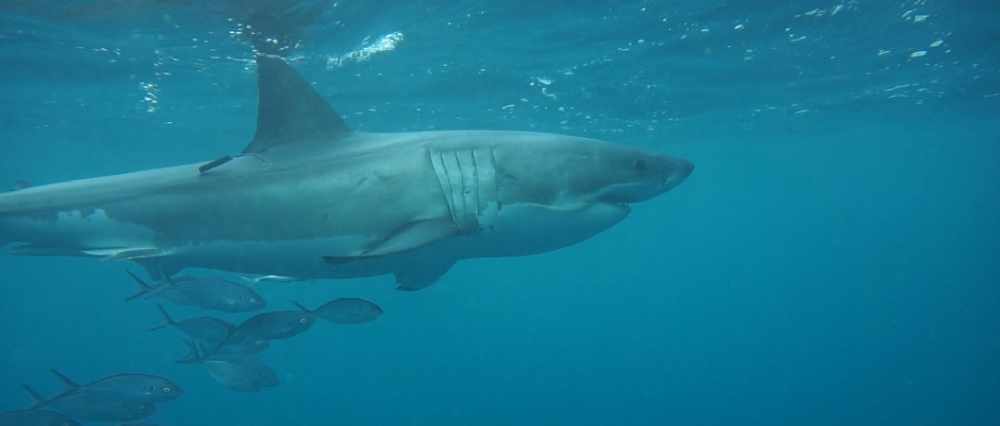 NA samples were collected from 175 sub-adult and young adult males from Geraldton to western Victoria.
From these 175 samples, 27 were found to be half-sibling pairs, meaning they shared one parent.
A total population estimate has not yet been compiled for the southern-western population because direct estimates of juvenile survival rates are not available.
Lead author of the CSIRO paper Dr Richard Hillary said estimating the trend in total population size for both populations required continued teamwork, sampling and analyses, using methods and institutional relationships developed in this project.
"Now that we have a starting point, we can repeat the exercise over time and build a total population trend, to see whether the numbers are going up or down," Dr Hillary said.
"This is crucial to developing effective policy outcomes that balance the sometimes conflicting aims of conservation initiatives and human-shark interaction risk management."
This work was undertaken for the National Environmental Science Program Marine Biodiversity Hub, an Australian Government initiative to provide information and understanding to support biodiversity management and conservation in the marine environment, with support from collaborators in New South Wales, Western Australia, and South Australia.
 Teen boy killed after being struck by two cars while crossing road in Warnbro
 Free supplies, health checks, advice for Mandurah pet owners
 Rockingham Detectives ask for public's help to find wanted man
 LISTEN: WA Police release triple-0 call from shooting murder of bikie boss Nick Martin at Kwinana Motorplex
 Police pursuit comes to crashing end in East Rockingham
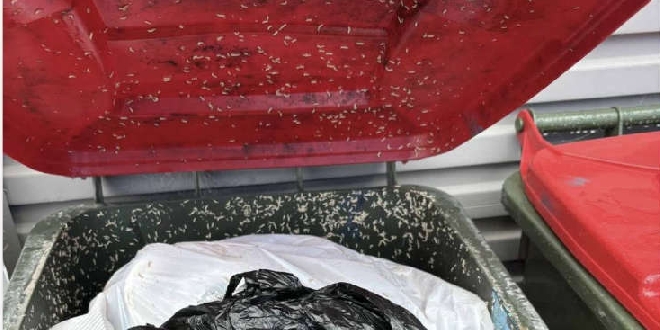 Tensions boil over in Rockingham council chambers as motion to reinstate weekly red bin collections is defeated
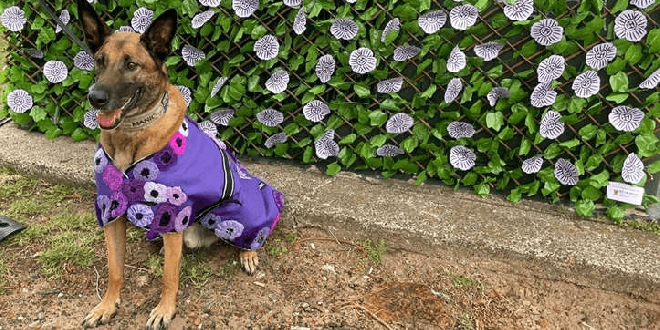 WA's first public National War & Service Animal Day commemoration to be held at Dawesville War Memorial
 New road safety laws to be named in memory of Furnissdale hit-and-run victim
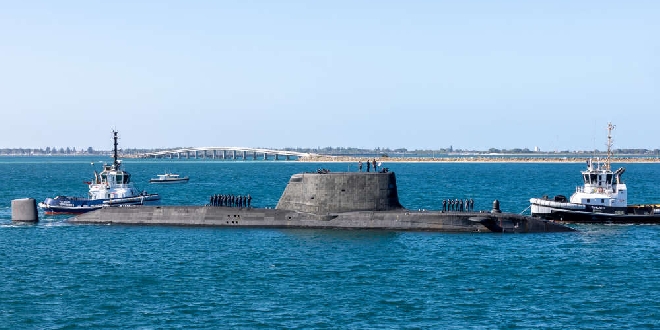 UK nuclear submarine docks at Rockingham's HMAS Stirling