



An adult has become the 25th person in WA to be diagnosed with meningococcal disease this year.
The Department of Health said the elderly person is recovering in hospital after contracting the W strain of the infection.
Meningococcal disease is an uncommon, life-threatening illness caused by a bacterial infection of the blood and/or the membranes that line the spinal cord and brain.
Invasive meningococcal infection is most common in babies and young children, and older teenagers and young adults, but infection can occur at any age.
Symptoms may include high fever, chills, headache, neck stiffness, nausea and vomiting, drowsiness, confusion, and severe muscle and joint pains.
Young children may not complain of symptoms, so fever, pale or blotchy complexion, vomiting, lethargy (blank staring, floppiness, inactivity, being hard to wake, or poor feeding) and rash are important signs.
Sometimes – but not always – symptoms may be accompanied by the appearance of a spotty red-purple rash that looks like small bleeding points beneath the skin or bruises.
Although treatable with antibiotics, meningococcal infection can progress very rapidly, so it is important that anyone experiencing these symptoms seeks medical attention promptly.
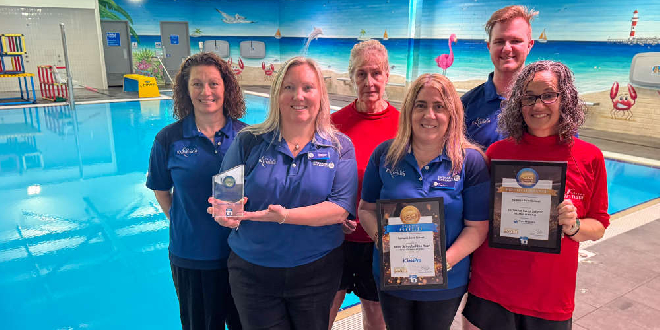 Kwinana Recquatic's swim school recognised nationally
 Rockingham Police: Locals advised not to approach wanted man
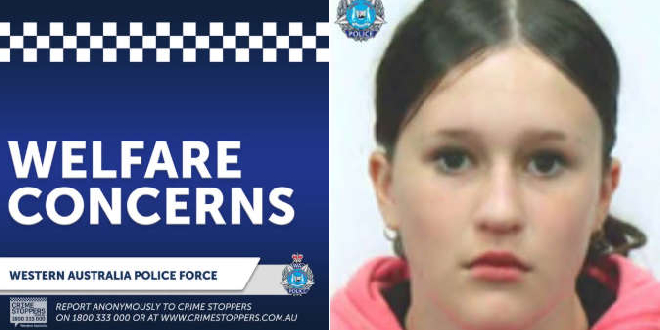 Concerns for missing girl
 Peel Thunder cruise into 2026 WAFL grand final
 Two teens cautioned, one charged over brutal Falcon attack
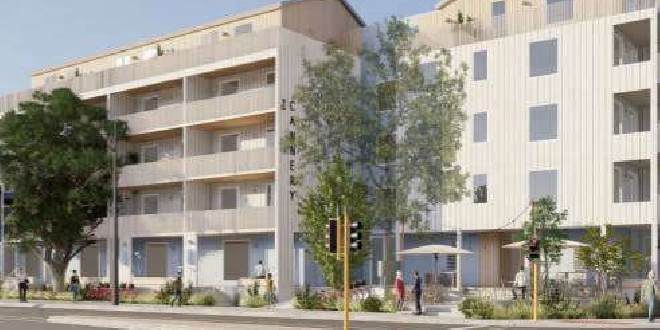 Nearly 100 new rentals to be built in Mandurah
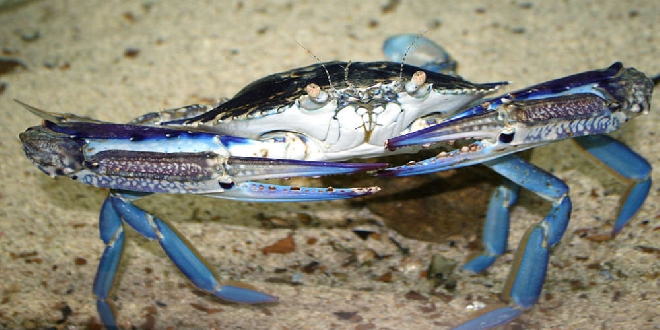 Blue swimmer crabs off limits during season closure
 Fire crews on scene of Meadow Springs house fire
 Perth's southern suburbs declared One Nation's 'heartland' after Secret Harbour by-election victory