

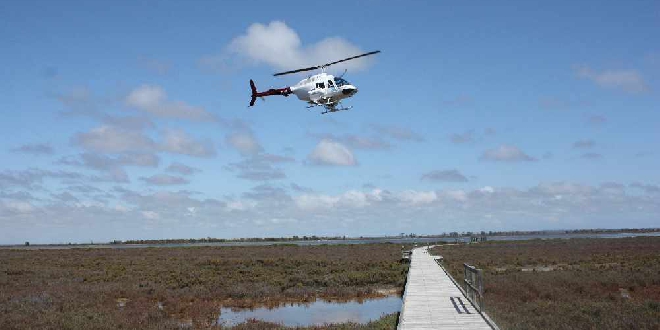
Aerial mosquito treatments have started in the City of Mandurah in a bid to reduce winter larvae numbers.
The City of Mandurah's Chief Executive Officer Mark Newman said with the start of spring just around the corner, more people will be spending time outdoors, coinciding with an increase in mosquito activity.
"As the weather warms up people tend to spend more time outdoors, so it's important that we remember to protect ourselves and our families and not to rely on mosquito reduction efforts alone.”
Aerial treatments will continue for the remainder of the 2018/19 season.
To minimise the risk of mosquito bites and the risk of disease, people should:
- use personal insect repellent containing DEET or Picaridin;
- cover up by wearing long, loose fitting clothing, avoid wearing dark colours;
- ensure infants and children are adequately protected against mosquito bites, preferably with suitable clothing, bed nets or other forms of insect screening;
- avoid outdoor exposure particularly during peak mosquito activity times, at dawn and dusk;
- ensure screen doors and windows are secured properly;
- empty or cover any standing water around the home or holiday accommodation to reduce mosquito breeding;
- use pesticide barrier sprays around the home garden that provide ongoing relief from mosquitoes; and
- use mosquito nets or mosquito-proof tents when camping or sleeping outdoors.
For more information visit www.mandurah.wa.gov.au.
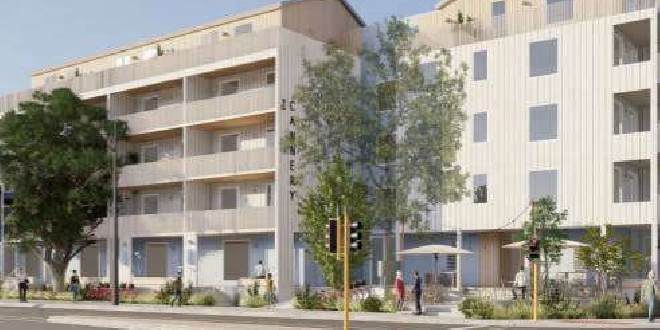 Nearly 100 new rentals to be built in Mandurah
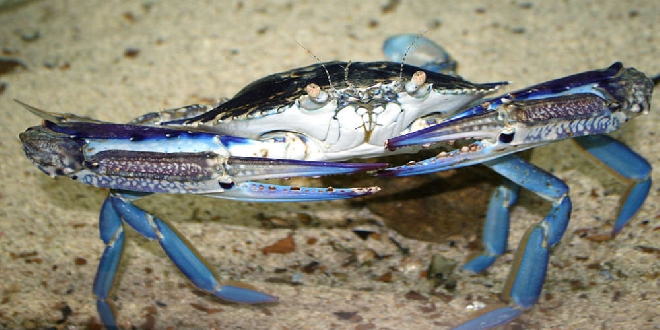 Blue swimmer crabs off limits during season closure
 Fire crews on scene of Meadow Springs house fire
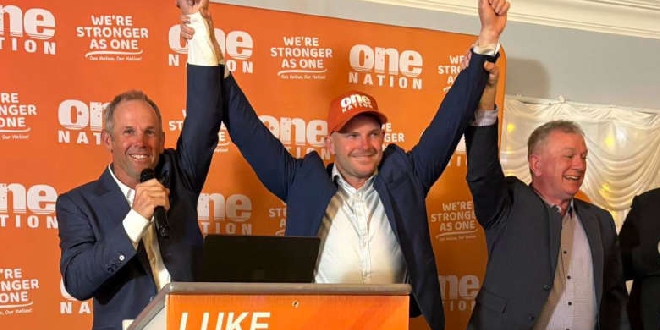 Perth's southern suburbs declared One Nation's 'heartland' after Secret Harbour by-election victory
 Construction contract awarded for Kwinana Freeway upgrade
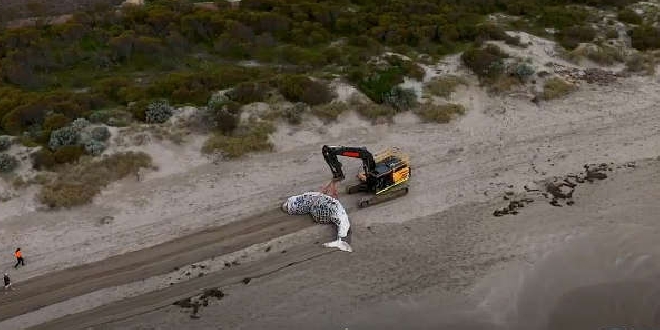 Port Kennedy humpback whale buried at landfill facility
 Secret Harbour by-election: Where to vote on August 29
 Mandurah man charged over role in alleged sophisticated cybercrime syndicate
 Locals urged to look out for man who removed electronic monitoring device